Plumber in Muncie for leaks, clogs and cold showers
Leak, clog, burst pipe or no hot water? Call Plumber Muncie and a licensed local plumber can come out to your Muncie home.
- Licensed local technicians
- No obligation
- All of Muncie
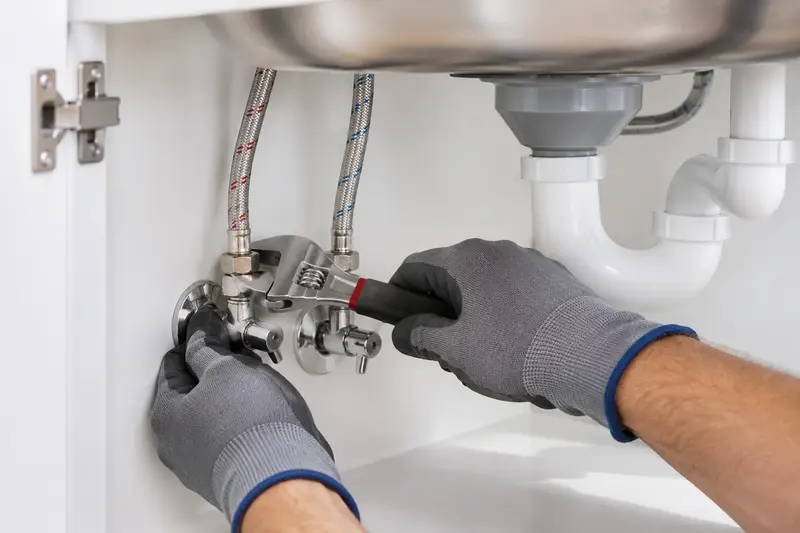
What you get when you call us
When something goes wrong with the water in a house, the hardest part is knowing who to call and what to say. Calling Plumber Muncie keeps it simple. One phone call, a real conversation about what you are seeing, and a licensed local technician who can come out to look at it in person.
You do not need the right words. "There is water around the base of the toilet" or "the basement drain is bubbling" is plenty. The technician does the figuring out.
One phone call
No account, no forms and no waiting for callbacks. Just call.
A licensed local technician
Someone who works on Muncie homes and has the right tools for the job.
No obligation
You hear what was found and your options before any work starts. You decide.
All of Muncie
Every Muncie ZIP code. Tell us the address on the call.
Pick the plumbing problem at your house
Each page explains the usual causes, what you can safely check yourself and when it is time to call.
Emergency Plumbing
Spraying pipes, sewage coming up or water through the ceiling. Start here when it cannot wait.
See what to doBurst and Frozen Pipes
No water on a bitter morning, frost on a pipe or a split line spraying in the basement.
See what to doDrain Cleaning
A sink that holds water, a shower that floods your feet or a gurgling tub.
See what to doSewer Line Backup
Dirty water at the floor drain, every drain slow at once or a sewer smell in the house.
See what to doWater Heater Repair
No hot water, water that turns cold fast, rumbling noises or a puddle under the tank.
See what to doLeak Detection
A growing ceiling stain, a water meter that never stops or a warm patch on the floor.
See what to doToilet Repair
A toilet that runs all night, rocks on the floor, leaks at the base or keeps clogging.
See what to doSump Pumps
A pump that hums but does not run, cycles nonstop or left the basement floor wet.
See what to doFaucets and Fixtures
A faucet that drips, spins, sputters or leaks under the sink, and new fixtures put in.
See what to do
How one call gets a plumber to your door
Three steps. Most of it happens on the phone in a couple of minutes.
Tell us what is happening
Say what you see, where it is and when it started. Mention your ZIP code and whether the water is still running.
A local technician comes out
A licensed plumber who works on Muncie homes visits, looks at the problem and finds the cause.
You hear the options and decide
The technician explains what is wrong and how it can be fixed before any work starts. There is no obligation to go ahead.
Plumbing trouble through the year
Muncie has cold winters with hard freezes and snow, and warm, humid stretches in summer. Both leave their mark on the plumbing in a house, and knowing what each season brings helps you catch a problem early.
Winter freezes
Frozen and burst pipes are the big winter risk. Lines along outside walls, in garages and in crawl spaces freeze first, and the leak often shows when the line thaws. A faucet that gives only a trickle on a bitter morning is a warning. Burst and frozen pipes
Holiday drains
Holiday cooking and a full house are hard on kitchen drains and the main line. Grease hardens in the pipe and extra guests mean extra flushing. Deal with a slow sink before the big day. Drain cleaning
Spring thaw and rain
Snowmelt and storms put the sump pump to work, and a pump that sat idle all winter can stick. Pour a bucket of water into the pit before the first big rain. Sump pumps
Humid summer weeks
Cold pipes sweat in humid weather and the drip can look like a leak. If a stain grows or the meter moves with every tap closed, it is a real leak. Leak detection
Call a plumber now or wait until tomorrow
Not every plumbing problem is an emergency. Find what you are seeing and do the first step.
Call right away
- Water spraying or pouring through a ceilingShut off the main valve and the power to any wet light fixture.
- Sewage coming up a floor drain or tubStop using every sink, toilet and appliance that drains.
Call today
- No water at one faucet in a hard freezeOpen the faucet a little and warm the area gently, never with a flame.
- Water heater leaking at the baseTurn the heater off and close the cold water valve on top.
Can wait a day or two
- Toilet running or rockingClose the shutoff valve behind the toilet between uses.
- Slow drain or a dripping faucetSkip chemical drain cleaners and use the fixture lightly.
Still unsure? The emergency plumber page lists the signs that a problem cannot wait.
Five things to do before the plumber arrives
A few minutes of preparation limits the damage and helps the technician find the cause faster. The emergency steps page goes through each kind of emergency in more detail.
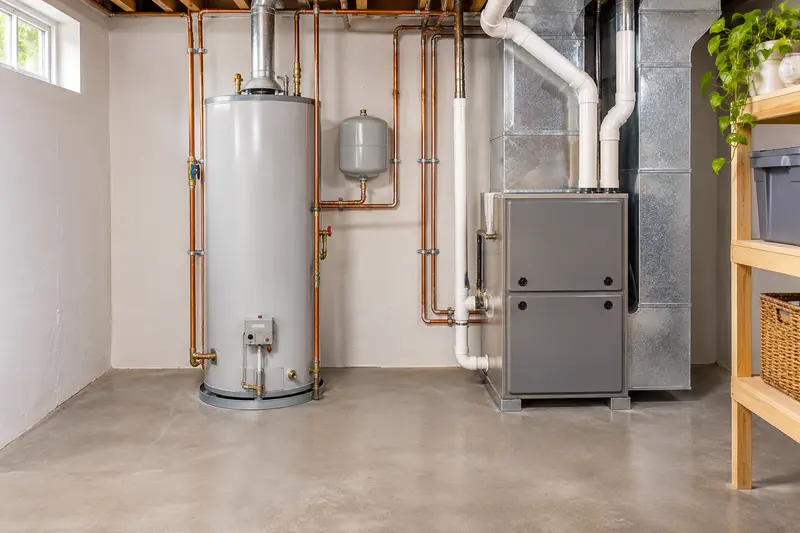
Find the main shutoff
In most houses with a basement it sits where the water line comes through the foundation wall, often near the meter or the water heater.
Stop the spread
Move rugs, boxes and electronics out of the wet area and lay towels to keep water from reaching other rooms.
Keep the power safe
If water is near outlets, a light fixture or the panel, switch that circuit off at the breaker from a dry spot.
Take a few photos
Pictures of the leak, the stain or the water level help the technician and your insurer.
Clear a path
Make room around the water heater, under the sink or at the floor drain so the technician can get straight to work.
Plumbing guides for homeowners
Short, practical reads for the moments when something has just gone wrong.
How to shut off your water
Where the main valve hides and how to close it without breaking it.
Read the guideWhat to do when a pipe bursts
The first ten minutes after a pipe splits, in order.
Read the guideSigns of a hidden leak
Warm floors, a spinning meter and the sound of running water.
Read the guideWhen a clog becomes urgent
The difference between a slow drain and a sewer backup.
Read the guidePlumbing words explained
P trap, PEX, cleanout and the other words a plumber uses.
Read the guidePlumbing questions answered
Straight answers to what Muncie homeowners ask most.
Read the guide
A winter checklist for your plumbing
Most of the worst plumbing days happen in a cold snap, and most can be avoided with an hour of work in the fall.
Outdoor faucets
Take off hoses, close the inside valve and drain the faucet so the pipe in the wall cannot split.
Pipes in cold spaces
Insulate exposed lines along the rim joist, in the garage and in any crawl space.
Drafts
Seal gaps around dryer vents, cable holes and basement windows where cold air hits pipes.
Cabinet doors
On the coldest nights open the doors under sinks on outside walls and let a faucet drip.
The main shutoff
Find it, tag it and make sure it turns, so you can stop a burst pipe in seconds.
The water heater
Listen for rumbling and look for rust or damp around the base. Keep the area clear.
The sump pump
Check the discharge pipe outside is clear and sloped so it cannot freeze solid.
Travel plans
Away during a freeze? Keep the heat on and have someone check the house, or close the main and drain the lines.
A plumber in Muncie sees the same few winter problems again and again. If something on this list worries you, such as frost on a pipe or a valve that will not turn, call and a local technician can come out before it turns into an emergency.
What a good plumbing visit looks like
Knowing the pattern helps you feel in control. That is how every call to Plumber Muncie works.
Listen first
The technician hears what you saw before touching anything.
Make it safe
Water stopped and wet areas kept away from electricity.
Fix the cause
Not just the symptom, so the clog or freeze does not come back.
You decide
Plain words on what was found, what the repair involves and what can wait, before any work starts.
Just moved in? A calm visit is a chance to learn the system. Ask where the main shutoff and the sewer cleanout are, how old the water heater is and whether any pipes are at risk of freezing.
Plumbing help in every Muncie ZIP code
Plumber Muncie covers the whole city, whether you live in an older house with galvanized pipes or a newer one plumbed in PEX. Tell us your address on the call and a local technician who knows Muncie homes can come out.
- 47302
- 47303
- 47304
- 47305
- 47306
Questions Muncie homeowners ask a plumber
What does a plumber in Muncie usually come out for?
Most calls are about water where it should not be or water that will not go where it should. That means burst or frozen pipes in winter, clogged kitchen and bathroom drains, sewer backups in the basement, running or leaking toilets, dripping faucets, sump pumps that stop working, and water heaters that leak or stop making hot water.
Do I have to fill in a form before someone comes out?
No. Call and tell us what is going on, and a licensed local technician can come out to look at it. The technician explains what they found and the options before any work starts, and you decide whether to go ahead.
Should I turn off my water before I call?
If water is spraying, pouring through a ceiling or spreading across a floor, turn off the main shutoff first and then call. If it is a slow drip or a drain that is simply slow, there is no need to shut anything off. Our guide on shutting off your water shows where the valve usually sits in Muncie homes.
Can a technician look at a frozen pipe before it bursts?
Yes, and that is the best time to call. A frozen pipe that has not split yet can often be thawed safely and protected. Keep the faucet on that line open a little, keep heat moving toward the cold wall, and never use an open flame on a pipe.
Water is coming through my ceiling. What should I do first?
Turn off the main water shutoff, switch off the power to any light fixture in the wet area at the breaker, and put a bucket under the drip. Then call. A ceiling that is sagging with water can come down, so keep people out from under it.
Do you help with water heaters as well as pipes?
Yes. Tank and tankless water heaters are part of plumbing. Call about no hot water, water that runs out fast, a leak at the base of the tank, rumbling or popping noises, or water that smells like rotten eggs.
My drain is slow but still draining. Should I call a plumber?
A single slow drain can usually wait a day or two. Clean the stopper and strainer, try a plunger and skip chemical cleaners. If several drains slow down at once, or water comes up in a tub or floor drain, call, because that points to the main line.
How do I know if a leak is hidden in a wall or ceiling?
Turn off every faucet and appliance and watch the water meter for twenty minutes. If the dial moves, water is escaping somewhere. A growing stain, a musty smell, bubbling paint or the sound of running water with everything off are other clues.
What should I do if my basement floor drain backs up?
Stop using water everywhere in the house, because everything you run drains toward the backup. Keep children and pets away from the water, wear gloves if you must move things and call. The main sewer line usually needs clearing from the cleanout.
Why does my water heater run out of hot water so fast?
Sediment in the bottom of the tank, a failed heating element on an electric heater or a thermostat set too low are the usual causes. In winter the incoming water is colder, so the heater has to work harder. A technician can test the parts and flush the tank.
Is a running toilet worth fixing right away?
It is not an emergency, but a toilet that runs all day wastes a lot of water. The cause is usually a worn flapper or a fill valve set too high, both simple repairs. Close the valve behind the toilet between uses until it is fixed.
When should I test my sump pump?
Before the spring thaw and before a season of heavy rain. Slowly pour a bucket of water into the pit. The float should rise, the pump should start and the water should drop quickly. If it hums, stays silent or runs nonstop, call before the next storm.
Can I keep using my plumbing after a pipe was repaired?
Usually yes, once the technician has turned the water back on and checked the repair for drips. Watch the area for a few days, and if a wall or ceiling was opened, let it dry fully before it is closed up.
What information helps when I call about a plumbing problem?
What you see, where it is, when it started and what you have already shut off. Tell us whether water reached anything electrical and give your ZIP code. Photos on your phone help the technician once they arrive.
Which parts of Muncie do you cover?
All of Muncie. Homes in the 47302, 47303, 47304, 47305 and 47306 ZIP codes can call. Tell us your address on the call.