Signs of a slab leak under your floor
A slab leak is a leak in a water pipe under a concrete floor, and the signs of a slab leak are easy to miss because the pipe itself is out of sight. Water escapes into the ground or the concrete day and night. These are the clues to watch for, and what to do when you spot them in your Muncie home.
- Licensed local technicians
- No obligation
- All of Muncie
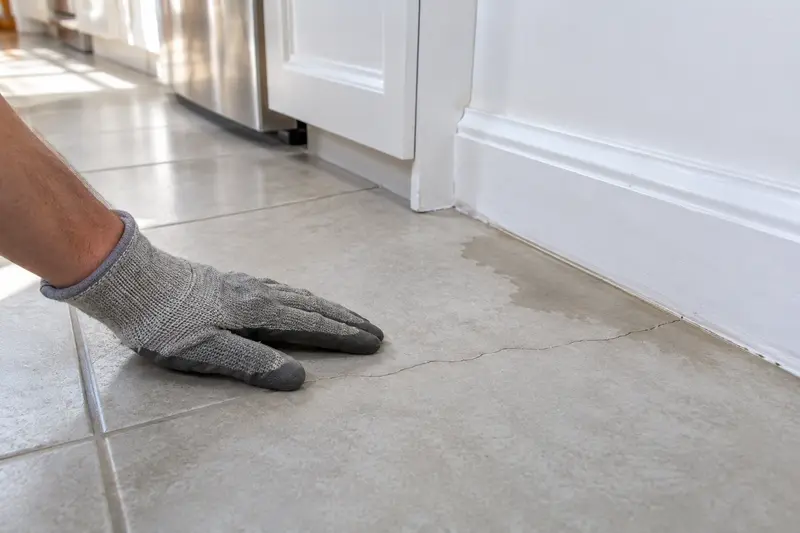
The most common signs of a slab leak
One sign alone may have another cause. Two or three together are worth a call.
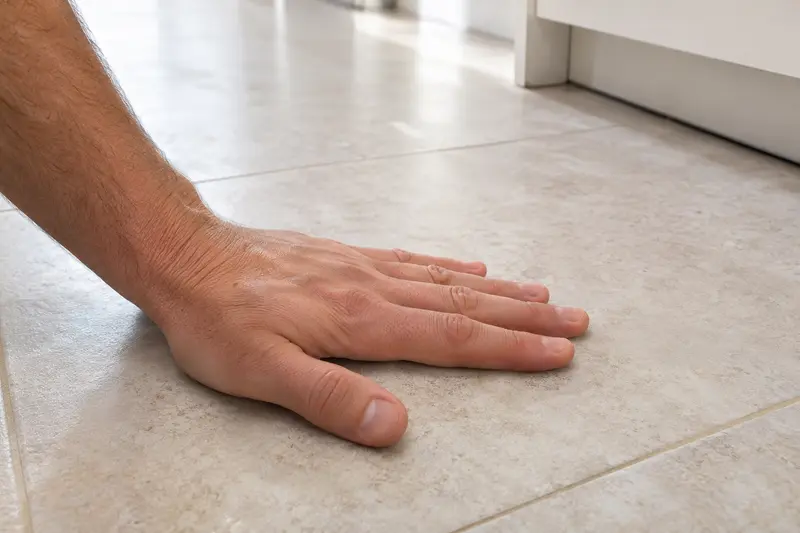
A warm spot on the floor
A patch of tile or concrete that feels warmer than the floor around it, often from a hot water line.
A water meter that keeps moving
The meter dial turns with every faucet and appliance in the house turned off.
Sound of running water
Hissing or running water under the floor when nothing is on.
Cracks in tile or flooring
New cracks in tile, or flooring that lifts, buckles or feels spongy.
Damp carpet or a musty smell
Carpet or pad that is damp with no spill, or a musty smell low in the room.
Water heater running constantly
The heater runs more than usual because hot water is leaking away.
A simple check you can do yourself
The water meter is the easiest way to confirm a hidden leak.
- Turn off every faucet, the dishwasher, the washing machine and the ice maker.
- Make sure no toilet is refilling.
- Find the water meter and note the position of the dial or the small leak indicator.
- Wait twenty minutes without using any water.
- Look again. If the dial moved, water is leaving the system somewhere.
Closing the valve to the water heater and repeating the test helps tell a hot water leak from a cold one.
A running toilet can fool the test
A toilet flapper that leaks into the bowl also moves the meter. Check every toilet first by listening for refilling or adding food coloring to the tank.
What causes a leak under a slab
Shifting ground. Soil under a house settles and moves with moisture and freezing, and the pipes in or under the slab move with it. Over years that stress can crack a pipe or a joint.
Wear against concrete. A pipe that rubs against concrete or gravel as it expands and contracts with hot water can wear through.
Corrosion. Older copper and steel lines corrode over time, especially where they touch other metals or certain soils.
Installation problems. A kinked line or a poorly made joint can last for years before it finally lets go.
What to do if you suspect a slab leak
- Do the meter test above to confirm water is escaping.
- If the meter moves fast or you hear water running, close the main shutoff until the leak is found.
- Note where any warm spot, crack or damp patch is, and take photos.
- Watch the water heater. If it runs constantly, a hot water line is the likely culprit.
- Call for leak detection rather than breaking into the floor yourself.
The leak detection page explains how the technician finds the exact spot with meters, pressure tests and listening equipment.
How a slab leak is usually repaired
Once the leak is pinpointed, there are a few ways to deal with it. A small opening can be made in the floor right above the leak to repair the pipe directly. In some homes it makes more sense to leave the old line in place and run a new line through the walls or ceiling instead, which avoids breaking up the floor at all.
The right choice depends on where the leak is, the age of the pipe and the flooring above it. The technician explains the options and what each involves before any work starts.
Repairing a slab leak through the floor means a small, careful opening, usually in a spot chosen to avoid cutting through more flooring than needed. Rerouting means running a new line through walls, a ceiling or an attic and capping the old line under the slab. Rerouting can be the better choice when the old pipe is likely to leak in other places, or when the leak sits under cabinets, tile or other flooring that would be hard to replace.
Either way, the floor around the repair is checked for moisture afterwards so nothing is closed up wet.
Not every hidden leak is under a slab. In Muncie homes with basements, leaks are more often in walls, ceilings and around fixtures. The burst and frozen pipe page covers leaks that follow a winter freeze.
Keeping hidden leaks small
You cannot see a pipe under a slab, but you can catch a leak early. Check the water meter with everything off a few times a year. Keep an eye on the water heater and notice if it starts running more. Pay attention to new cracks in tile and warm patches on the floor in winter, when a warm spot stands out most. Early detection keeps the repair small.
Slab leaks and other hidden leaks
The signs of a slab leak overlap with other hidden leaks, so it helps to rule out the common ones first. A running toilet moves the water meter too. A leak in a wall shows up as a stain or soft drywall rather than a warm floor. A leak at the water heater leaves water around its base.
Slab leaks are more likely when the house sits on a concrete slab with pipes running through or under it. In homes with basements, the water lines run along the basement ceiling and walls, and hidden leaks there are usually easier to reach. If your home has a slab, or a slab section under an addition, the floor is worth watching.
What happens if a slab leak is left alone
A slab leak rarely floods a room, which makes it easy to put off. But the water keeps running day and night. It can soak the ground under the house, lift or crack flooring, feed mold under carpet and keep the water heater running constantly if it is a hot water line.
The longer it runs, the more water is wasted and the larger the damaged area becomes. Spotting the signs of a slab leak early and calling soon keeps the repair smaller and simpler.
Questions to ask about a slab leak
- Is the leak on a hot or a cold water line?
- Exactly where is it, and how was it located?
- Can it be repaired through a small opening, or is rerouting the line a better choice?
- Is the rest of the pipe under the slab likely to leak too?
- What should I watch for after the repair?
If you have seen two or more of the signs of a slab leak on this page, call and describe them. A local technician can come out and pinpoint it.
After a slab leak is repaired
Once the line is repaired or rerouted, run the meter test again with everything off to make sure it stands still. Keep an eye on the floor where the warm spot or the crack was. Flooring that got wet may need time to dry, and carpet pad that stayed damp is often worth replacing to avoid mold.
If one section of pipe under the slab has failed, others of the same age may follow. Ask the technician about the condition of the rest of the line and whether rerouting the whole run makes sense. Watching for the signs of a slab leak a few times a year, especially the water meter and any warm spots in winter, means a second leak is caught early.
Slab leak questions
What is a slab leak?
A leak in a water pipe that runs under or inside a concrete floor. Because the pipe is hidden in concrete, the leak is often noticed only through its side effects.
Why does a slab leak make the floor feel warm?
When the leaking pipe carries hot water, the escaping water heats the concrete above it, so a patch of floor feels warmer than the rest.
Can a slab leak be found without breaking up the floor?
Yes. Meter checks, pressure tests and listening equipment narrow down the spot, so any opening is small and in the right place.
Is a slab leak an emergency?
It is not usually a flood, but water under a slab keeps running day and night and can damage flooring and the ground under the house. Call soon after you notice the signs.