What to do first in a plumbing emergency in Muncie
A plumbing emergency in Muncie can turn a calm evening upside down in seconds. The first few minutes decide how much damage the water does. Work through the steps below for your situation, then call Plumber Muncie so a licensed local technician can come out and fix the cause.
- Licensed local technicians
- No obligation
- All of Muncie
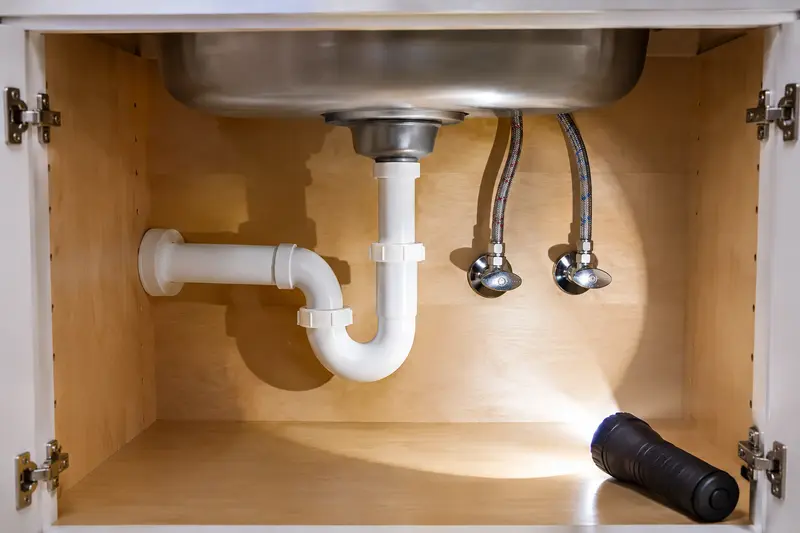
The first three steps for any plumbing emergency
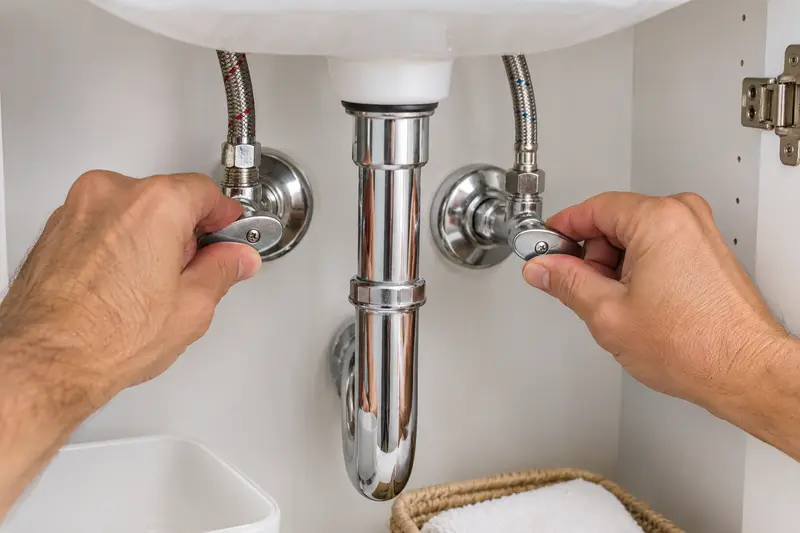
- Stop the water. Close the valve under the fixture, or the main shutoff for the whole house if the leak is in a pipe or you cannot find the local valve.
- Make the area safe. Keep away from standing water near outlets, cords, light fixtures and the electrical panel. Switch off the circuit at the breaker if you can do it from a dry spot.
- Protect what you can. Move rugs, furniture, boxes and electronics out of the water's path, and lay towels to keep it from spreading to other rooms.
Then call. Tell us what happened, what you have shut off and whether water reached anything electrical. If you are not sure how to close the main valve, read how to shut off your water.
Never mix water and electricity
If water is near the electrical panel or you would have to stand in water to reach the breaker, do not try. Leave the room and say so on the call.
If a pipe has burst or water is spraying
- Close the main water shutoff right away.
- Open a faucet on the lowest floor to drain the pressure out of the pipes.
- Turn off the water heater, gas to pilot or vacation, electric at the breaker, so it does not heat an empty tank.
- If water is coming through a ceiling, switch off the lights in that room and keep people out from under the wet area.
- Take photos, then start moving water out with towels, a mop or a wet vacuum.
In a hard freeze, a faucet that suddenly gives no water is often a frozen pipe that has not split yet. Open that faucet a little, warm the area gently and call. More detail is in what to do when a pipe bursts and on the burst and frozen pipe page.
If sewage is coming up a drain
A sewer backup is different from a leak, because closing the main valve does not help. The water coming up is everything the house has sent down the drains.
- Stop using all water in the house. No flushing, no showers, no dishwasher, no laundry.
- Keep children and pets away from the area. Sewage carries bacteria.
- If you have to move things, wear rubber gloves and wash your hands well afterwards.
- Do not pour drain chemicals into the backup.
Then call. The main line usually needs clearing from the cleanout. The sewer line backup page explains what usually causes it and what the visit involves.
If a toilet is overflowing
- Close the small shutoff valve on the wall behind the toilet by turning it clockwise.
- If the valve will not turn, lift the tank lid and push the flapper down to stop more water entering the bowl, then lift the float to stop the tank filling.
- Do not flush again until the clog is cleared.
- If other drains are also slow or the basement drain is filling, treat it as a sewer backup instead.
See toilet repair for the usual causes.
If the water heater is leaking
- Turn off the heater. On a gas heater, set the control to off or pilot. On an electric heater, switch it off at the breaker.
- Close the cold water valve on the pipe at the top of the tank.
- Keep clear of the relief valve pipe, the water can be scalding.
- Put towels or a pan around the base and move anything that could be damaged.
A leak from a fitting can often be repaired. A leak from the tank itself usually means the heater needs replacing. The water heater repair page explains how the technician tells the difference.
If the basement is taking on water
- Check whether the sump pump is running. If it is silent, make sure it is plugged in and the breaker is on.
- If the float is stuck, unplug the pump before freeing it gently.
- Stay out of standing water if there is any chance it reaches outlets or extension cords.
- Move stored items up off the floor.
Water coming in through the floor drain rather than the walls points to the sewer line rather than groundwater. The sump pump page and the emergency plumber page explain what happens next.
If there is no water anywhere in the house
No water at every faucet is a different kind of plumbing emergency in Muncie. Start with the simple checks. Make sure the main valve has not been closed by mistake, and ask a neighbor whether they have water. If the whole street is dry, the problem is on the utility side and the water company is the right call.
If only your house is dry during a hard freeze, the main line where it enters the house may have frozen. Do not try to thaw a main line with a flame. Open a faucet, keep the basement or crawl space warm and call. If you have water but no hot water, the problem is the water heater, covered on the water heater repair page.
If you smell gas near a water heater
A rotten egg smell around a gas water heater or furnace can mean a gas leak. That is not a plumbing emergency to handle yourself. Leave the house straight away, do not switch lights or appliances on or off, do not use a lighter, and call the gas utility or emergency services from outside.
A sulfur smell that only comes from the hot water taps is different. That usually comes from bacteria in the water heater tank rather than a gas leak, and it can wait for a normal visit.
If the problem is outside the house
A soggy patch in the yard, water bubbling up near the meter box or a sewer smell around the cleanout can all point to trouble outside. Water rising near the meter on the street side may be the utility's line. A wet strip of lawn along the path of the sewer line, or sewage near the cleanout cap, is on your side.
Keep children and pets away from any wet area that smells of sewage. For a sewer smell plus slow drains inside, stop using water and treat it as a sewer backup. For a leak near the meter, close the main valve inside the house and call, describing exactly where the water is coming up.
A small plumbing emergency kit for your home
A few simple things kept in one place make any plumbing emergency in Muncie easier to handle. Keep them near the main shutoff so they are there when you need them.
- A flashlight with fresh batteries, because leaks rarely happen in good light
- Old towels and a bucket or two
- Rubber gloves for sewer backups
- A plunger for sinks and a separate flange plunger for toilets
- A tag on the main valve and a note of which breaker feeds the water heater and the sump pump
- A wet vacuum if you have a basement
It also helps to keep a short list of the basics on your phone. Note where the main shutoff is, which breaker feeds the water heater and the sump pump, and the age of the water heater if you know it. In a plumbing emergency in Muncie, when you are standing in a wet basement with a flashlight, having that list ready saves real time.
Finally, make a habit of a quick walk through the house before winter. Look under sinks, check the basement for frost on pipes during the first cold snap and make sure the sump pump discharge outside is clear. Catching a problem on a calm day is always easier than handling it in the middle of the night.
If you rent, add your landlord or property manager to that list, and find out in advance whether they want you to call a plumber directly in an emergency. Many leases ask tenants to report leaks right away, and a burst pipe is always worth a call to them once the water is off.
Show everyone in the house where the main valve is and how it closes. In a real emergency the person at home may not be the person who knows.
If water is coming through a ceiling or wall
Water through a ceiling is one of the most frightening kinds of plumbing emergency in Muncie homes, and the steps are simple. Close the main shutoff. Switch off the lights and the circuit for that room at the breaker if you can reach it from a dry spot. Put a bucket under the drip and move furniture and electronics away.
If the ceiling is bulging, water is pooling above it. Keep everyone out from under the bulge, because wet drywall can give way suddenly. Do not poke a hole in it unless you are standing clear and have a bucket ready, and never near a light fixture. Then call and tell us which room is above the wet ceiling, since that is usually where the leak is, a bathroom, a kitchen or a pipe running through the floor.
A wet patch on a wall low down, near the floor, often comes from a fixture on the other side, such as a toilet, a tub or a washing machine. Close that fixture's valve if you can find it, and the main shutoff if you cannot. Our leak detection page explains how a technician finds a leak that is hidden inside a wall.
While you wait for the technician
Once the water is stopped and the area is safe, a few things make the visit go faster.
- Clear a path to the problem, the water heater, the floor drain, the sink cabinet.
- Note when it started and anything that happened just before, a freeze, a heavy rain, a lot of laundry.
- Keep your photos handy for the technician and for your insurer.
- If you closed the main valve, leave it closed until the technician arrives.
Once the technician arrives, walk them to the problem and tell them what you did and when. If you closed the main valve, opened a faucet or turned off the water heater, say so, because it tells them the state of the system before they start. Point out anything else you noticed, such as a second wet spot, a smell or a drain that was slow before the emergency began. Small details often lead straight to the cause.
Have a question that is not covered here? Try the plumbing questions page.
First steps questions
What is the single most important thing to do in a plumbing emergency?
Stop the water. For a supply leak that means closing the main shutoff or the valve nearest the leak. For a drain or sewer backup it means stopping all water use in the house.
Where is the main water shutoff in most Muncie homes?
Usually in the basement where the water line comes through the foundation wall, often close to the water meter or the water heater. Some homes without a basement have it in a utility closet or crawl space.
Is it safe to stay in the house during a plumbing emergency?
Usually yes, as long as you keep away from standing water near electricity and from sewage. If a ceiling is sagging with water, keep everyone out of that room.
Should I call my insurance company first or a plumber?
Stop the water, then call a plumber to deal with the source. Take photos before cleaning up, and contact your insurer once the leak is under control.